
THE PROGRAM
ABA Piano Therapy
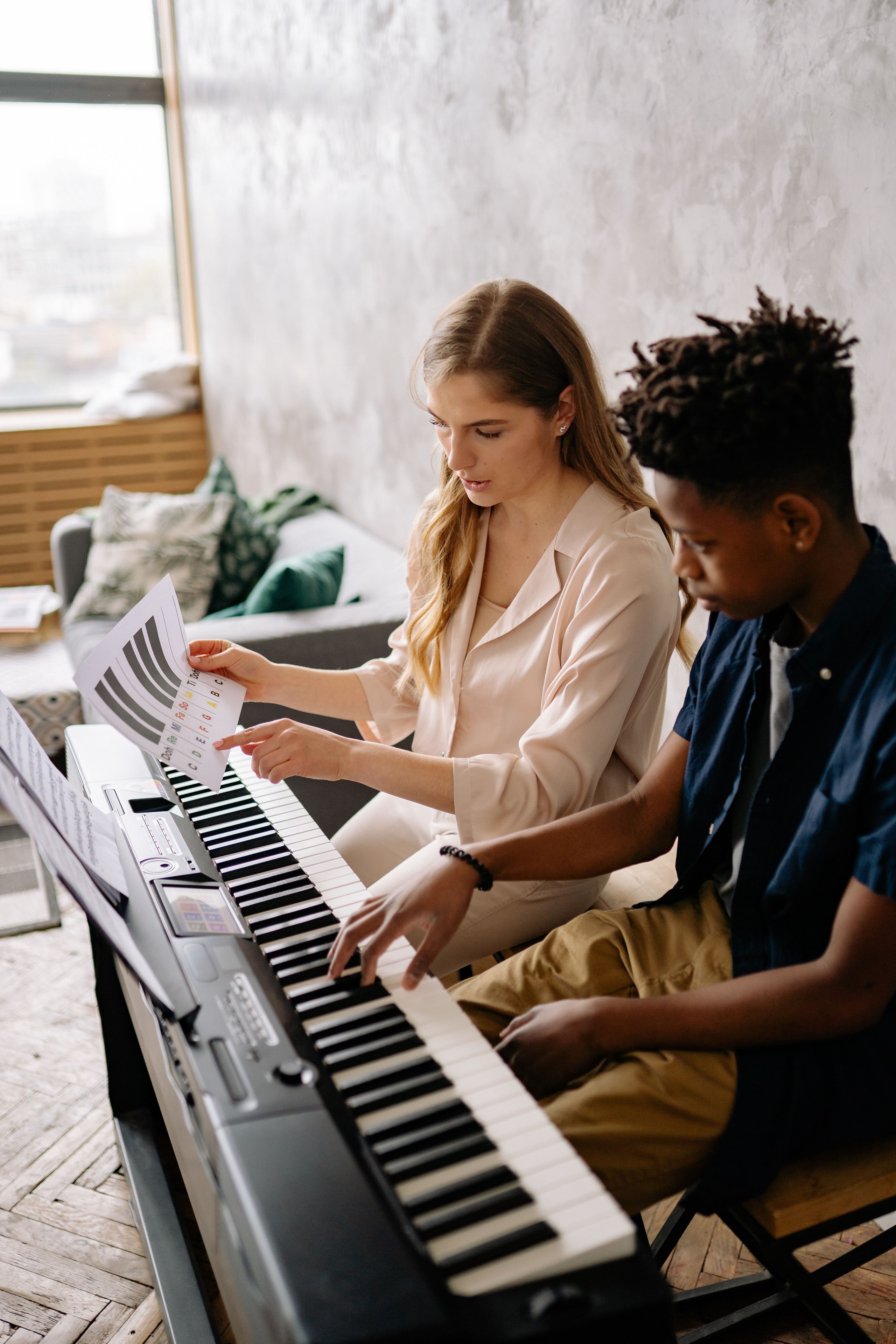
Piano Therapy Plus is a one-on-one, individualized program that combines piano instruction with principles of Applied Behavior Analysis (ABA). Sessions take place in the office setting and are tailored around each learner's strengths, needs, interests, and goals.
Piano is not simply an activity added to ABA. The piano provides a meaningful and engaging environment in which teaching and behavioral intervention can occur naturally.
BUILDING RAPPORT
A Natural Way to Connect
For many learners — especially older children, teens, and adults — sitting down to talk directly about behavioral challenges may not be the most effective way to engage. Piano provides a shared activity and a natural point of connection. As the learner plays, practices, makes choices, works through frustration, and experiences success, opportunities arise to address behavioral and learning goals in the moment.
The piano becomes more than the activity itself — it provides a meaningful context for building rapport, teaching skills, and helping those skills carry over beyond the therapy session.
RESPONSIVE TEACHING
Teaching Skills in the Moment
One of the strengths of this program is that skills can be taught as real situations occur, rather than only discussed in the abstract.
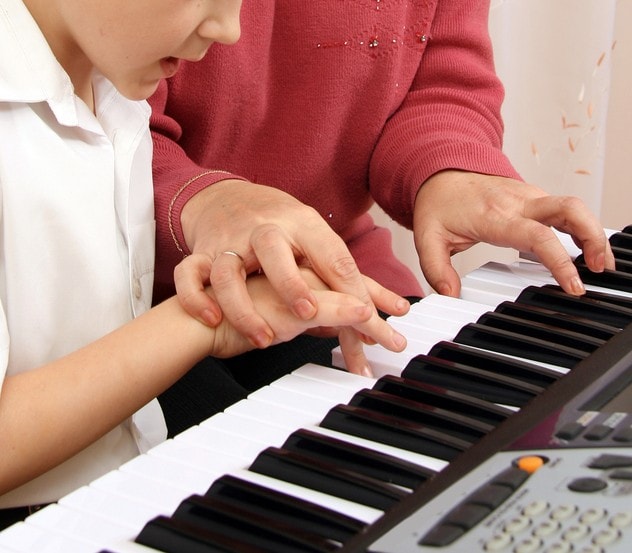
During piano instruction, a learner may encounter a difficult task, make a mistake, need to wait, receive corrective feedback, or be asked to try something again. Those moments create natural opportunities to teach and practice appropriate responses while the situation is actually happening — not after the fact.
This kind of in-the-moment teaching can be especially meaningful because the learner is engaged in something real and purposeful, not a simulated scenario.
INDIVIDUALIZED INSTRUCTION
Responsive, Individualized Teaching
Piano instruction is individualized. The emphasis is on meeting each learner where they are and adjusting the approach based on the learner’s individual needs, goals, and response to instruction.
As learners develop new skills and experience success at the piano, self-esteem, confidence, and a sense of pride can grow.
Instruction may include:
- Becoming comfortable and familiar with the keyboard
- Following instructions
- Rhythm and timing
- Learning notes and basic music concepts
- Playing songs
- Developing coordination and independence at the piano
- Building persistence and resilience with increasingly challenging tasks
EXAMPLES OF SKILLS ADDRESSED
Behavioral and Learning Skills
Piano Therapy Plus sessions create natural opportunities to work on a wide range of behavioral and learning skills. The following are examples — not every learner will work on every skill, and goals are always individualized.
HOW ABA IS USED
Responsive, Individualized Teaching
ABA principles allow sessions to be individualized and responsive. Skills are broken into manageable steps, instruction is adjusted based on how the learner responds, progress is reinforced, and support gradually changes to promote independence.
The learner's preferences and choices are incorporated throughout the session.
WHAT TO EXPECT
What a Session May Look Like
The balance of activities will depend on the learner’s current needs and goals. Sessions may include piano instruction, practice of previously learned skills, introduction of new skills, parent/caregiver collaboration, and support for behavioral or learning situations as they naturally arise.
At times, particularly with older learners, a session may focus on collaborative discussion and problem-solving with the learner and parent/caregiver. Together, we may develop routines, strategies, or agreed-upon plans to address challenges occurring at home, school, or in other settings.
FAMILY COLLABORATION
Parent/Caregiver Involvement
Parents and caregivers are present during Piano Therapy Plus sessions and are active participants in the process. This gives parents opportunities to see behavioral strategies modeled in real time, observe how strategies are adjusted based on their learner's response, and practice using those strategies with guidance and feedback. The goal is not only to explain what to do, but to help families understand how to use practical, individualized strategies in everyday situations.
Sessions may also include collaboration around the learner's goals and challenges occurring at home, school, or in other settings. Because parents and caregivers support the learner across everyday routines and situations, their involvement can help support greater consistency and carryover beyond the therapy session.
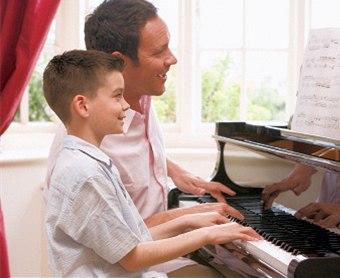
The piano can also become a shared point of connection between the learner and parent or caregiver. For some autistic learners, especially those with higher support needs, traditional forms of play or interaction may be less accessible or engaging. Simple piano activities, familiar songs, rhythm, singing, and turn-taking can give families another way to engage together. These shared activities can continue at home and create opportunities for connection, communication, and practicing skills outside the therapy setting.
WHO THE PROGRAM SERVES
Is This Program Right for Your Learner?
The program may be appropriate for learners with autism, ADHD, developmental differences, or other learning or behavioral needs. No specific diagnosis is required.
Piano Therapy Plus serves children, teens, and adults. Sessions are provided by Mary-Debra Pawlowski, M.S., BCBA.
Piano Therapy Plus is not music therapy. It is an individualized ABA-based service that incorporates piano instruction and may complement other educational, medical, psychological, speech, occupational, or behavioral services a learner receives.
Questions?
Reach out with questions or to schedule a Piano Therapy Plus appointment for your learner.
Contact Us